
"carbon burn coffee"
300 article(s) found
The characteristics and Origin of High-quality Coffee
Carbon-roasted coffee, also known as bitter coffee, means that the fire source of roasted coffee is carbon fire, and sometimes special wood is used as fuel. Coffee beans roasted with carbon fire will have wood flavor rather than carbon smell. This kind of coffee comes from Japan, and the pure re-roasting creates the unique taste of Japanese charcoal roasting, which is special, sweet, mellow, full-bodied and extremely bitter. Many

The method of cleaning the carbon deposit at the bottom of the siphon pot
The method of cleaning with salt or toothpaste is exactly the same as the loofah towel principle, is to "grind" the carbon deposits, so that it is easy to leave scratches on the bottom of the glass ball, these scratches are the hidden danger of burning in the future.
The method of cleaning the carbon deposit at the bottom of the siphon pot for coffee utensils
The method of cleaning with salt or toothpaste is exactly the same as the loofah towel principle, is to grind the carbon, so that it is easy to leave scratches on the bottom of the glass ball, these scratches are the hidden danger of burning in the future. The correct way is to use soda noodles (or soda ash, baking soda), the kind commonly used in steamed bread cooking. Gently rub the alkali surface with water on the carbon deposit, and you can soon see that the alkali surface blackens and dissolves.

Dark drink: you must have never experienced "live" charcoal-fired coffee!
For the exchange of professional baristas, please follow the coffee workshop (Wechat official account cafe_style) the Buddha statue in the Borobudur temple on the island of Java, Indonesia. Oriental IC material is located in Yogyakarta, south-central Java, Indonesia, is the birthplace of Java culture and art, developed literature and dance, many reliefs and statues, there are world-famous Buddhist millennium monuments Borobudur. But today I

Can individual coffee be used to match?
Charcoal coffee the Japanese invented this coffee, which is also named after roasting. There is a prefecture in Japan that produces long carbon. The Japanese use this carbon to bake coffee beans, giving this coffee a faint charcoal-burning flavor. Just like our Beijing Roast Duck, it uses a special kind of fruit wood barbecue. In fact, it can be cooked with other wood like ducks, but with this kind of fruit trees, ducks are fragrant.

What is charcoal roasted coffee, Japanese charcoal coffee flavor, how charcoal coffee is roasted?
Professional barista communication please follow the coffee workshop (Wechat official account cafe_style) do you know roasted coffee and charcoal as a heat source? Many people have tasted charcoal-roasted coffee, which tastes rich and mellow. Today, I will introduce the characteristics of roasting coffee with Bincho charcoal in charcoal. What is coffee roasted coffee? Coffee that uses charcoal fire as the heat source of the roaster is called
Roasting principle of coffee beans
The small, high-altitude raw Arabica coffee beans are like a warehouse full of chemicals. At present, scientists have identified more than 2, 000 known ingredients, of which 70 to 850 are aromatic ingredients, which can be called the most fragrant in the human diet. There are only 150 kinds of vanilla used for seasoning in the catering industry, and the mellow composition of wine is far from it.
What is charcoal coffee?
What is charcoal coffee? Many coffee drinkers call deep-roasted coffee carbon-roasted coffee. Is that true? Does charcoal coffee refer to deep-roasted coffee beans? In fact, carbonated coffee does not refer to deep-roasted coffee beans, but to shallow roasted coffee beans. The origin of carbonized coffee is that Japanese carbon-roasted coffee means that the source of fire for roasted coffee is carbon fire, and sometimes special coffee is used.

Japanese coffee "full-bodied and mellow"-charcoal roasted coffee
Charcoal roasted coffee is a Japanese coffee, refers to a taste, almost no acid, strong scorched bitterness and glycol, the taste is relatively strong. Authentic charcoal-roasted coffee is generally deeply roasted with carbon fire (gas, carbon fire and infrared), the color is dark, the taste is fragrant and mellow, the taste does not feel sour, if condensed milk has a flavor. Flavor: special aroma, sweet, mellow,

Coffee bean roasting principle, fine coffee, general knowledge of coffee.
The small, high-altitude raw Arabica coffee beans are like a warehouse full of chemicals. At present, scientists have identified more than 2, 000 known ingredients, of which 70 to 850 are aromatic ingredients, which can be called the most fragrant in the human diet. There are only 150 kinds of vanilla used for seasoning in the catering industry, and the mellow composition of wine is also far away.

Principle of coffee bean baking basic knowledge of coffee bean
The small, high-altitude raw Arabica coffee beans are like a warehouse full of chemicals. At present, scientists have identified more than 2, 000 known ingredients, of which 70 to 850 are aromatic ingredients, which can be called the most fragrant in the human diet. There are only 150 kinds of vanilla used for seasoning in the catering industry, and the mellow composition of wine is also far away.

The principle of roasting coffee beans the secret of baking coffee beans
The small, high-altitude raw Arabica coffee beans are like a warehouse full of chemicals. At present, scientists have identified more than 2, 000 known ingredients, of which 70 to 850 are aromatic ingredients, which can be called the most fragrant in the human diet. There are only 150 kinds of vanilla used for seasoning in the catering industry, and the mellow composition of wine is also far away.

What's the difference between charcoal-fired coffee and charcoal-fired coffee? How does Japanese charcoal roast coffee taste good
Professional coffee knowledge exchange more coffee bean information Please follow the coffee workshop (Wechat official account cafe_style) charcoal-roasted coffee has become popular in Japan. In the past, charcoal-roasted coffee almost always refers to heavy roasting coffee beans with charcoal fire. Coffee beans roasted in this depth will quickly ooze a thin layer of oil on the surface of coffee beans, so charcoal roasting is a big name.

What is charcoal coffee? What are the characteristics of charcoal-roasted coffee? Can coffee help you lose weight?
Professional coffee knowledge exchange more coffee bean information please follow the coffee workshop (Wechat official account cafe_style) charcoal coffee how to do? Charcoal coffee is a kind of taste, almost no acid, strong bitterness and mellow, the taste is relatively strong. Authentic charcoal-roasted coffee is usually deeply roasted with carbon fire (gas, carbon fire and infrared), which is dark in color, fragrant and mellow in taste.
Do you really know what coffee beans are "raising"?
Professional coffee knowledge exchange more coffee bean information Please follow the coffee workshop (Wechat official account cafe_style) mentioned the most fastidious thing about coffee beans right now, what's your first reaction when you jump into your head? I think most people buy beans online. If you ask the seller a question before buying, there should be ten.
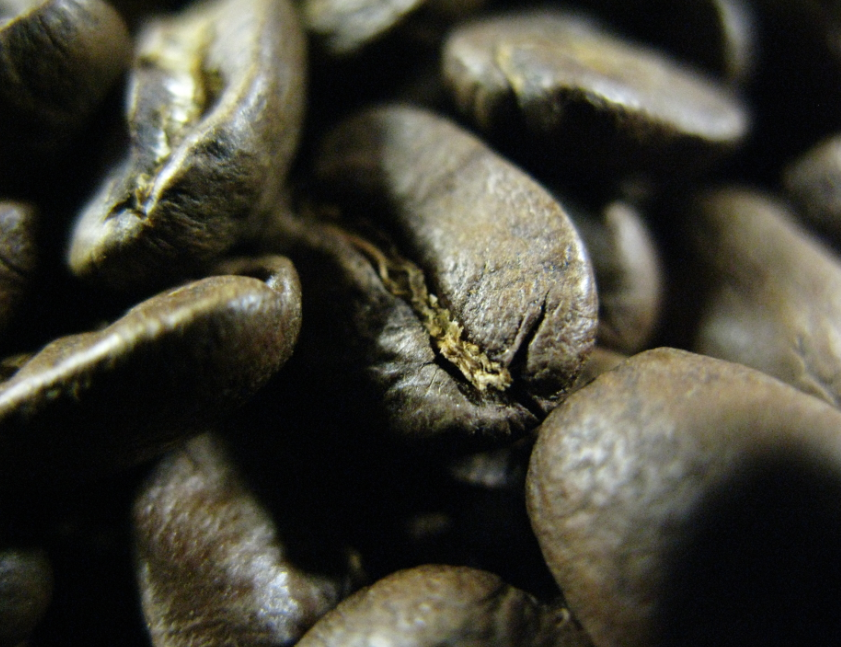
Japanese charcoal-fired boutique coffee beans roast degree what is charcoal-fired coffee how to drink charcoal-fired coffee?
The origin of charcoal-roasted coffee originated in the beautiful island country of Japan, where the Japanese have a spirit of indomitable defeat. When coffee is dominated by Europe, the United States and Latin America, the Japanese still want to reposition other people's things and find another way to design a different kind of coffee to find their own market space, so charcoal-fired coffee is driven by this spirit. Charcoal coffee maker

In Brazil, cigarette butts and coffee grounds are all treasures.
Professional baristas Please follow the Coffee Workshop (official Wechat account cafe_style) recently, a kind of green iron box with round holes appeared on the streets of many cities in Brazil. This eye-catching sign is the cigarette butt recycling box: smokers can put the cigarette butts into it, which can be recycled and sent to the factory for processing for papermaking, etc. In recent years, Brazil has turned waste into treasure and asked for energy from garbage.

Consume 2 billion cups of coffee a day and use the rest of the coffee residue for these purposes.
Professional coffee knowledge exchange more coffee bean information please follow the coffee workshop (Wechat official account cafe_style) recently, IEA announced the 2018 photovoltaic installation situation, the top 10 are: China, India, the United States, Japan, Australia, Germany, Mexico, South Korea, Turkey, New Zealand. More than 2 billion cups of coffee are consumed globally, and most of the coffee grounds
Coffee roasting with charcoal fire originated in Japan
Coffee roasting with charcoal fire originating in Japan. Coffee taste soft and mild, with charcoal aroma should be the characteristics of this baking. The proportion of charcoal fire far infrared ray is high, and the quality of roasted coffee beans is more uniform inside and outside. The disadvantage is that the cost is high, the production capacity is small, and the adjustment of carbon firepower is also difficult. At present, most of the so-called charcoal-roasted coffee are not charcoal-roasted coffee, but those that strengthen the bitterness of burning.
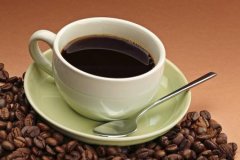
Charcoal roasted coffee originates from the Japanese way of roasting coffee using charcoal fire.
Coffee roasting with charcoal fire originating in Japan. Coffee taste soft and mild, with charcoal aroma should be the characteristics of this baking. The proportion of charcoal fire far infrared ray is high, and the quality of roasted coffee beans is more uniform inside and outside. The disadvantage is that the cost is high, the production capacity is small, and the adjustment of carbon firepower is also difficult. At present, most of the so-called charcoal-roasted coffee are not charcoal-roasted coffee, but those that strengthen the bitterness of burning.